Key Points: Indicators of a Proficient Physical Therapist
Choosing the appropriate PT is a vital part in achieving maximum wellness and recovery. With a multitude of professionals out there, it can be overwhelming to identify who will most effectively fulfill your individual requirements. Beyond just certifications and experience, the qualities that distinguish a competent physical therapist from others can greatly influence your treatment experience and effectiveness.
In this write-up, we will explore the primary traits of a proficient physical therapist. From personalized care methods to the value of licensing and continuing education, we will guide you through what to look for when searching for the ideal therapist for your recovery journey. Understanding these crucial characteristics will empower you to make informed decisions and guarantee you are obtaining the highest caliber of service adapted to your personal circumstance.
Top Signs of a Proficient Physical Therapist
A skilled physical therapist exhibits effective communication skills, making sure patients completely understand the treatment plans and the reasons behind particular therapeutic approaches. They intently listen to patient concerns, fostering an open dialogue that enables for questions and adjustments to the treatment process. This extent of engagement creates a more personalized experience, helping to build trust and rapport, which are essential for effective therapy.
A further key sign of expertise is a therapist's devotion to individualization in treatment. A capable physical therapist customizes exercises and techniques based on a thorough assessment of patients' unique needs, goals, and conditions. This person-centered approach not only enhances the success of the therapy but also encourages patient participation and adherence, ultimately enhancing recovery outcomes.
In addition, ongoing education and professional development are characteristics of an exceptional physical therapist. They remain up-to-date with the latest research, treatment techniques, and advancements in the field, ensuring that the care they provide is evidence-based and current. This devotion to continuous learning demonstrates a dedication to their profession and the well-being of their patients, making them a trustworthy partner in the recovery journey.
What to Look for in a Qualified Physical Therapist
In your search for a professional physical therapist, it is essential to evaluate their qualifications and background. Make sure the therapist is certified and holds relevant certifications, which indicate a commitment to industry norms. Additionally, inquire about their specific qualifications and areas of expertise. visit our website with targeted training in your particular conditions or recovery needs can provide customized approaches that enhance safety and effectiveness.
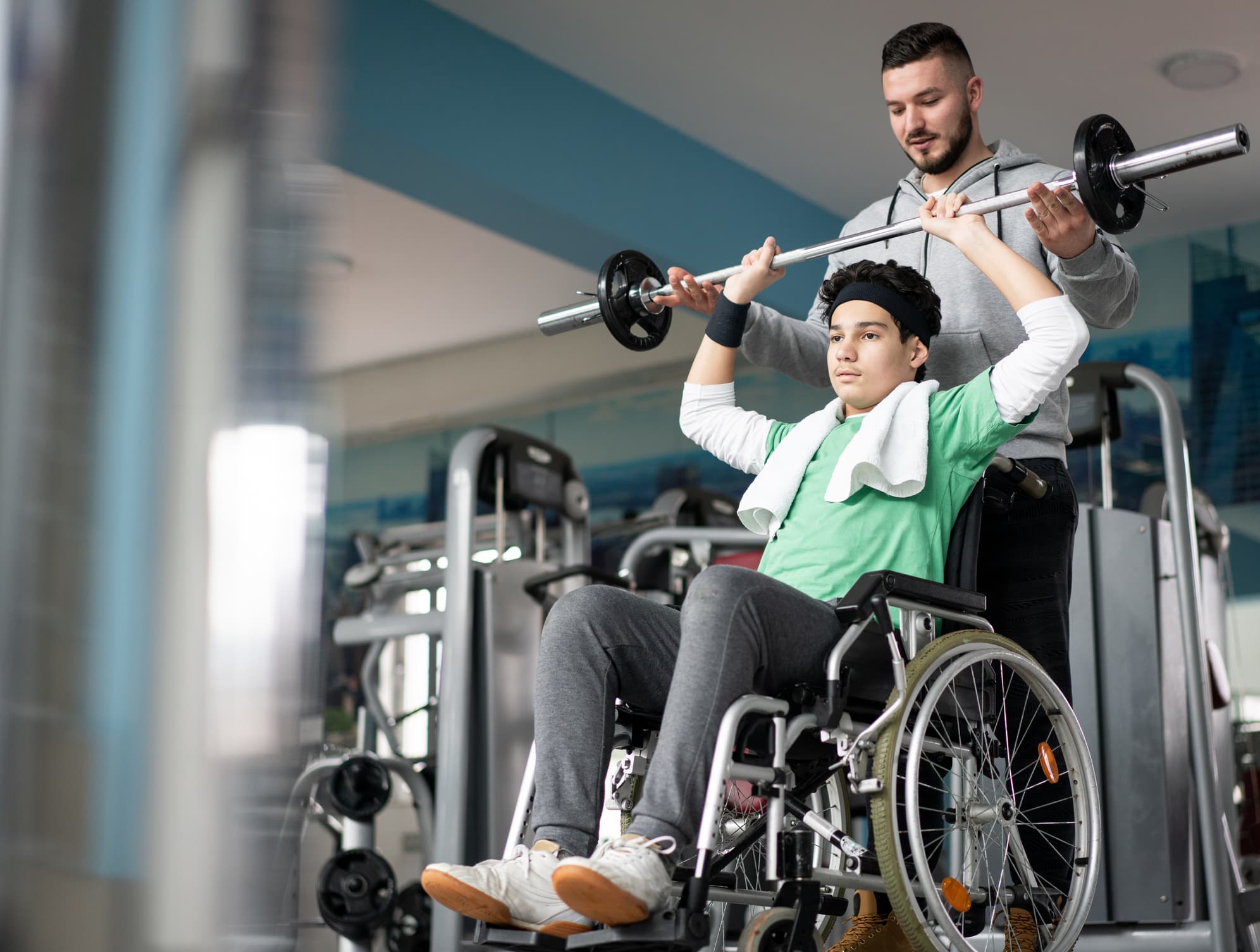
Another key factor is the therapist's communication and interpersonal skills. A capable physical therapist should be able to explain treatment plans and procedures in a way that makes you feel comfortable and aware. Seek out someone who actively listens to your concerns and involves you in the decision-making process. physical therapist near me who values clear communication fosters a cooperative relationship that can lead to improved outcomes in your recovery journey.
Finally, consider the environment of the therapy clinic. A clean, organized space equipped with up-to-date tools indicates professionalism and attention to patient care. Furthermore, observe how the staff interacts with patients, as a nurturing atmosphere can significantly affect your experience. A welcoming clinic that prioritizes personalized care is often a sign of a therapist who is dedicated to achieving the best possible results for their patients.
Steer Clear of The Following Red Flags While Selecting a Physical Therapist
A of the first signs that a physical therapist may not be trustworthy is a lack of appropriate licensing and certification. Ensure that your therapist is fully licensed to practice in the state you are in and has the necessary certifications from authorized organizations. If they are reluctant or refuse to provide evidence of their qualifications, it's a significant red flag. Always ask about their education and any additional certifications relevant to your particular condition or needs.
Another concerning indicator is the therapist's unwillingness to create a individualized treatment plan. A reputable physical therapist will dedicate time to assess your individual situation and goals, adapting their approach accordingly. If top article meet a therapist who uses a one-size-fits-all method or is unclear about how they will treat your individual issues, it may be wise to seek someone better attentive to your individual needs. Additionally, be cautious of any therapists who seem excessively focused on selling treatments or packages than truly addressing your recovery.
Lastly, pay attention to how the therapist handles patient feedback and monitoring of progress. A skilled professional should welcome your input and consistently evaluate your progress to ensure you're doing well. If the therapist is indifferent of your concerns or avoids discussing your progress, it may suggest a lack of investment in your care. Confidence and communication are crucial in a therapeutic relationship; without them, your recovery may be jeopardized.